

Understanding the Gaming Environment
When stepping into a casino, the vibrant atmosphere and dazzling lights might initially captivate you. However, beneath this allure lies a complex environment filled with various hidden costs that can significantly impact your overall experience. Gaming establishments often design their settings to encourage prolonged visits, which can inadvertently lead to overspending, especially when considering options like australian online pokies that may offer tempting rewards. The excitement of the games can distract players from monitoring their expenditures, making it essential to be aware of the potential financial implications before engaging.
Many casinos employ strategies to keep patrons entertained and engaged, such as offering complimentary drinks, celebratory events, or even loyalty programs. While these perks might seem beneficial, they can also lead to increased spending in other areas. For example, patrons might feel encouraged to gamble more frequently or at higher amounts due to the free drink service, which can obscure the true cost of their gaming session. Recognizing these psychologically enticing tactics is critical for maintaining control over your finances and making informed decisions.
Additionally, the layout of a casino can contribute to hidden costs. Many venues are designed without windows or clocks, creating an environment where time seems to evaporate. This disorientation may prompt visitors to lose track of time spent gambling, leading to unexpected costs regarding both time and money. Being aware of how the casino environment influences your decisions can empower you to make more informed choices about how much to spend and for how long, ensuring a more enjoyable and responsible gambling experience.
Gaming Fees and Minimum Bets
Casinos often implement various fees that may not be immediately apparent to newcomers. Each game typically has a minimum bet requirement, which can vary substantially based on the type of game and the casino’s specific rules. For instance, table games such as blackjack and roulette might have higher minimums compared to slot machines, which often allow for lower stakes. It is crucial for players to familiarize themselves with these requirements to avoid unexpected costs upon sitting down to play, as these fees can quickly add up and impact your overall budget.
Moreover, some casinos may charge fees for using certain amenities or gaming services, including poker tables that require a buy-in or tournaments that impose entry fees. These additional costs can accumulate quickly, especially if one is unaware of them ahead of time. It’s important to carefully read the fine print or ask staff about any fees associated with the games you’re interested in to ensure a thorough understanding of your potential expenditures. Being well-informed can help you make better decisions and prevent unpleasant surprises.

Furthermore, poker rooms often have a “rake,” which is a percentage taken from each pot or a flat fee charged per hour. This cost is not always highlighted but can systematically eat into your winnings if you’re not cautious. Knowing this information beforehand can help gamblers budget their sessions more effectively and decide whether or not the excitement of the game is worth these additional costs. Properly managing your bankroll in this context is essential for a sustainable gambling experience.
Food and Beverage Expenses
Dining options at casinos can vary greatly, from lavish buffets to high-end restaurants, all with different pricing structures. While enjoying a meal may be part of the entertainment experience, the costs associated with dining can often exceed budget expectations. It is advisable to investigate the dining options available and their respective price ranges before engaging in any wagering activity to avoid overspending. Planning your meals in advance can help you stay within your budget and allow for a more enjoyable experience.
Moreover, many casinos offer complimentary beverages to keep players engaged at the gaming tables. However, it’s essential to recognize that these drinks can lead to additional costs in other areas. For example, as players indulge in free cocktails, they may become more inclined to gamble recklessly, resulting in higher losses. Being mindful of your alcohol consumption can help maintain clarity in your financial decisions during your casino visit. Setting limits on both food and drink can support your overall budget strategy.
Additionally, many patrons may feel tempted to indulge in late-night food offerings after a long gaming session. These venues often charge premium prices for late-night snacks, so budgeting for food expenses is crucial. Understanding the potential costs associated with dining within a casino helps players strategize their spending and enjoy their experience without financial regret. By being proactive in managing food and beverage expenses, you can focus on the gaming experience rather than worrying about overspending.
Transportation and Lodging Costs
Visiting a casino may also involve unforeseen transportation and lodging expenditures. Depending on the casino’s location, travel costs can vary significantly. For those driving, parking fees might apply, which can add an additional burden to your expenses. Moreover, for individuals traveling from out of town, accommodations near the casino can range from affordable motels to luxury hotels, each with varying price points that can quickly deplete a budget. Being aware of these potential costs allows you to plan more effectively.
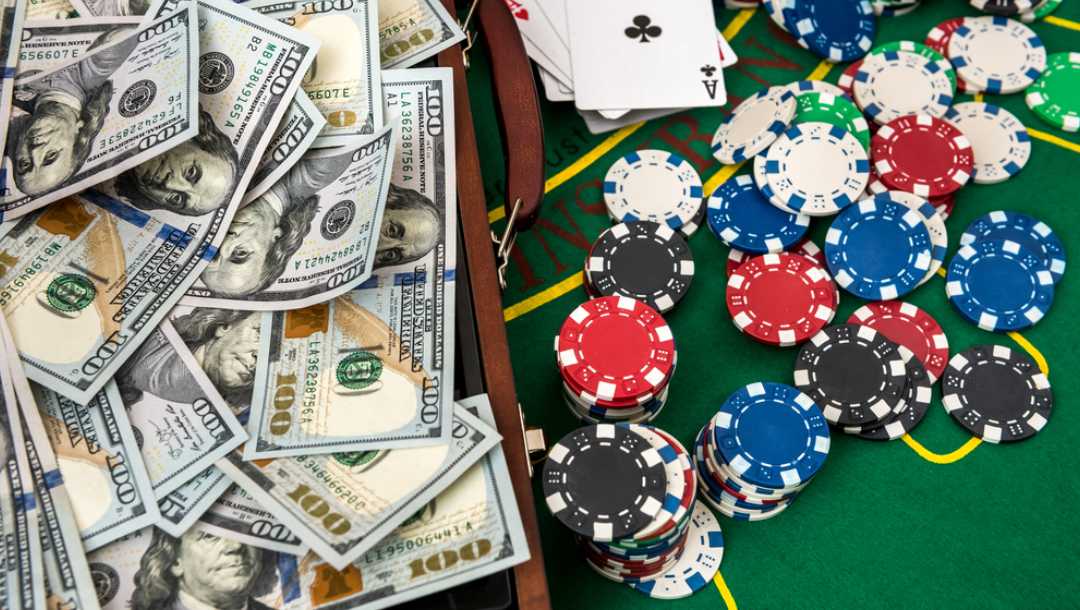
Alternatively, some casinos offer packages that include lodging, meals, and gaming credits, presenting a seemingly economical option. It’s essential, however, to scrutinize these packages carefully to ensure they align with your overall budget. Hidden fees associated with resort amenities, room service, or even taxes can turn a seemingly good deal into an expensive one. Always read the fine print and consider whether these packages match your budgeting needs, as unchecked costs can derail a well-planned trip.
For frequent visitors, developing a strategic approach to travel and lodging can mitigate these expenses. Researching different transportation options and lodging deals in advance can help control costs. Additionally, planning travel during off-peak times may result in substantial savings, allowing you to allocate more funds toward your gaming entertainment. Always factor these expenses into your overall budget to maintain financial control during your casino visits.
Insights for Smart Gambling
As you prepare for a visit to a casino, it’s crucial to develop a financial plan that addresses all potential hidden costs associated with your visit. Start by setting a strict gambling budget that not only accounts for your expected losses but also encompasses other expenses like food, drinks, and lodging. This proactive approach allows you to enjoy your time while keeping expenditures in check, ensuring that your experience remains fun and enjoyable without the stress of financial strain.
Additionally, practicing self-discipline is key to avoiding the pitfalls of hidden costs. Staying aware of your spending habits while in the gaming environment can help you stick to your budget. Establish a predetermined limit for how much you’re willing to lose and adhere to it strictly. By knowing when to walk away, you can preserve your finances and maximize your enjoyment without falling victim to unexpected expenses. This disciplined approach can also enhance your overall gambling experience.
Moreover, taking the time to educate yourself about the games you wish to play can not only enhance your chances of winning but also help you avoid costly mistakes. Understanding the rules, odds, and betting structures can improve your gaming strategy, allowing you to engage in a more informed and controlled manner. Being aware of all aspects of the casino experience, from potential hidden costs to game strategies, can lead to more satisfying and financially sound visits.